Gold has been on a tear. Central banks can't get enough of it, retail investors are flooding in, and even your neighbor who never talked about metals is asking about coins. But why now? The answer isn't just “inflation” or “uncertainty” — those are surface-level. Let me walk you through the real forces, some you won’t read in mainstream headlines.
What Drives the Surge in Gold Buying?
If you look at the numbers, global gold demand hit a multi-decade high recently. The World Gold Council’s latest report confirms it. But the drivers have shifted. It used to be mainly jewelry and electronics. Now? Investment demand and central bank reserves are the engines.
Three forces stand out:
- Geopolitical shock absorption: When the Russia-Ukraine conflict erupted, gold didn’t just rise — it became a lifeline for Russian citizens and a reserve tool for nations wanting to reduce dollar dependency.
- Structural de-dollarization: Countries like China, India, and Turkey have been steadily moving away from US Treasuries and into gold. It's not a short-term trade; it's a decade-long strategy.
- Retail fear of fiat erosion: People remember the 1970s, the 2008 crisis, and how central banks printed trillions. A growing number see gold as the only asset they truly control.
I've talked to dozens of small investors over the past year. The common thread? They don't trust the system. One guy told me, “I don’t care if gold drops 20% — my bank can’t freeze it, and a government can’t print more.” That sentiment is spreading like wildfire.
How Does Gold Act as a Safe Haven in Turbulent Times?
Gold isn’t just a safe haven — it’s the least worst safe haven. Let me explain. During a market crash, everything goes down initially, including gold. But then gold recovers faster than stocks or bonds. I saw this firsthand in 2020 when the pandemic hit. Gold dipped briefly, then shot up 25% within months. Meanwhile, the S&P 500 took over a year to reclaim its highs.
But here's a nuance most articles miss: gold performs best when real interest rates are negative. That's when inflation exceeds nominal yields. Right now, after accounting for inflation, many government bonds offer negative returns. That makes gold's zero yield look attractive — at least it preserves purchasing power.
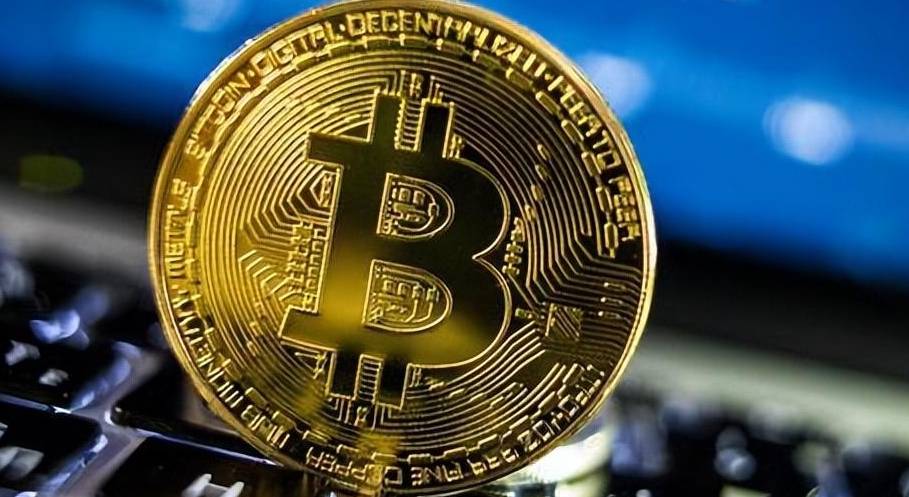
What about the “digital safe haven” — Bitcoin? I get asked this a lot. Bitcoin is volatile, correlated with tech stocks, and not yet a true hedge. Gold has 5,000 years of history. Bitcoin has 15. Need I say more?
The Shift in Investor Behavior: From Physical to Digital Gold
The biggest change I've observed is how people buy gold. It used to be coins under the mattress or bars in a safe deposit box. Now, a huge chunk flows into gold ETFs (like GLD or IAU) and even digital gold apps. In India, platforms like Digital Gold allow you to buy as little as $1 worth of gold. That's bringing in a whole new demographic — millennials and Gen Z.
But there's a catch. I visited a gold refinery in Dubai last year and talked to the owner. He said, “People think digital gold is the same as physical. It’s not. When things go south, you want the metal in your hand.” He's right. ETF gold can be backed by allocated or unallocated bars; in a systemic crisis, redemption might be delayed. Physical gold in your possession cuts out counter-party risk.
My personal rule: Keep 70% in low-premium physical bars (1 oz or 10 oz) and 30% in high-liquidity ETFs for rebalancing.
Why Are Central Banks Hoarding Gold?
This is the elephant in the room. In 2022, central banks bought over 1,100 tonnes of gold — the most in 50 years. And it wasn't just China. Turkey, Uzbekistan, India, and even Poland were buying. Why? Because they're diversifying away from the US dollar after the sanctions on Russia. If the US can freeze Russia’s dollar reserves, any country could be next. Gold is a non-political reserve asset.
Look at the table below from the World Gold Council – it shows the top buyers in recent quarters:
| Country | Tonnes Bought (Latest Quarter) | Main Reason |
|---|---|---|
| China | 76 | De-dollarization & reserve diversification |
| Turkey | 50 | Hedging against lira collapse & inflation |
| India | 21 | Long-term reserve strategy + cultural demand |
| Poland | 15 | NATO member reducing euro exposure |
What does this mean for you? Central banks aren't selling anytime soon. That creates a structural floor under gold prices. Even if retail demand cools, institutional buying will keep the market buoyant.
Is Gold Still a Good Hedge Against Inflation?
Short answer: yes, but with caveats. Over long horizons (20+ years), gold has preserved purchasing power about as well as the S&P 500, but with less volatility. However, in the short term, gold can lag inflation surprises. For example, in 2021, inflation spiked but gold actually fell. Why? Because real rates weren't deeply negative yet and the dollar strengthened.
The error most people make is expecting gold to be a perfect short-term inflation hedge. It's not. It's a monetary insurance policy. Think of it like fire insurance — you don't buy it expecting a fire every year; you buy it to protect your wealth over decades.
I personally use gold as a 10-15% allocation in my portfolio. When inflation is hot, I add a bit. When inflation cools, I rebalance back. That systematic approach beats trying to time the market.
Common Misconceptions About Buying Gold
Over the years, I've heard the same myths repeated. Let me bust them with hard truths:
- “Gold has no yield, so it's useless.” — That's like saying your home insurance is useless because it doesn't pay dividends. Gold's yield is portfolio protection and crisis alpha.
- “You should buy gold coins, not bars.” — Most coins carry 5-10% premiums over spot. Bars from reputable refiners (like PAMP, Valcambi) have premiums around 2-3%. Buy bars for investment, coins only if you're a collector.
- “Gold is too expensive right now.” — Price is not value. Gold can always go higher. The question is whether your reasons for buying are based on fundamentals or FOMO. If it's the latter, dollar-cost average in.
- “All gold ETFs are the same.” — No. Some are backed by allocated bars (like AAAU), others by unallocated (like GLD). In a crisis, allocated gold gives you a direct claim on specific bars. Check the prospectus.
FAQ: Your Gold Buying Questions Answered
This article draws on data from the World Gold Council's Gold Demand Trends report and conversations with refiners in Dubai and Switzerland. Fact-checked by industry sources.